
The complete guide
Choosing a 12 Bottle Freestanding Wine Rack That Actually Fits
The problem with keeping wine in a cupboard
Wine has a habit of ending up wherever there is space. A few bottles behind the cereal, two more in the box they came in, one standing upright next to the kettle because it was easier than finding a shelf. It works until you want a particular bottle and have to move six others to get at it.
There are two real costs here. The first is practical. Upright bottles with natural corks slowly dry out at the top, and a dried cork lets air in. The second is simply that bottles in a cupboard are invisible. You buy more of the same because you forgot you already had it, and the nice one you were saving stays forgotten behind a tin of tomatoes.
A freestanding rack fixes both problems at once. Every bottle lies on its side, every label faces you, and the whole collection lives in one defined spot that takes up less room than you would think.
What this rack actually is
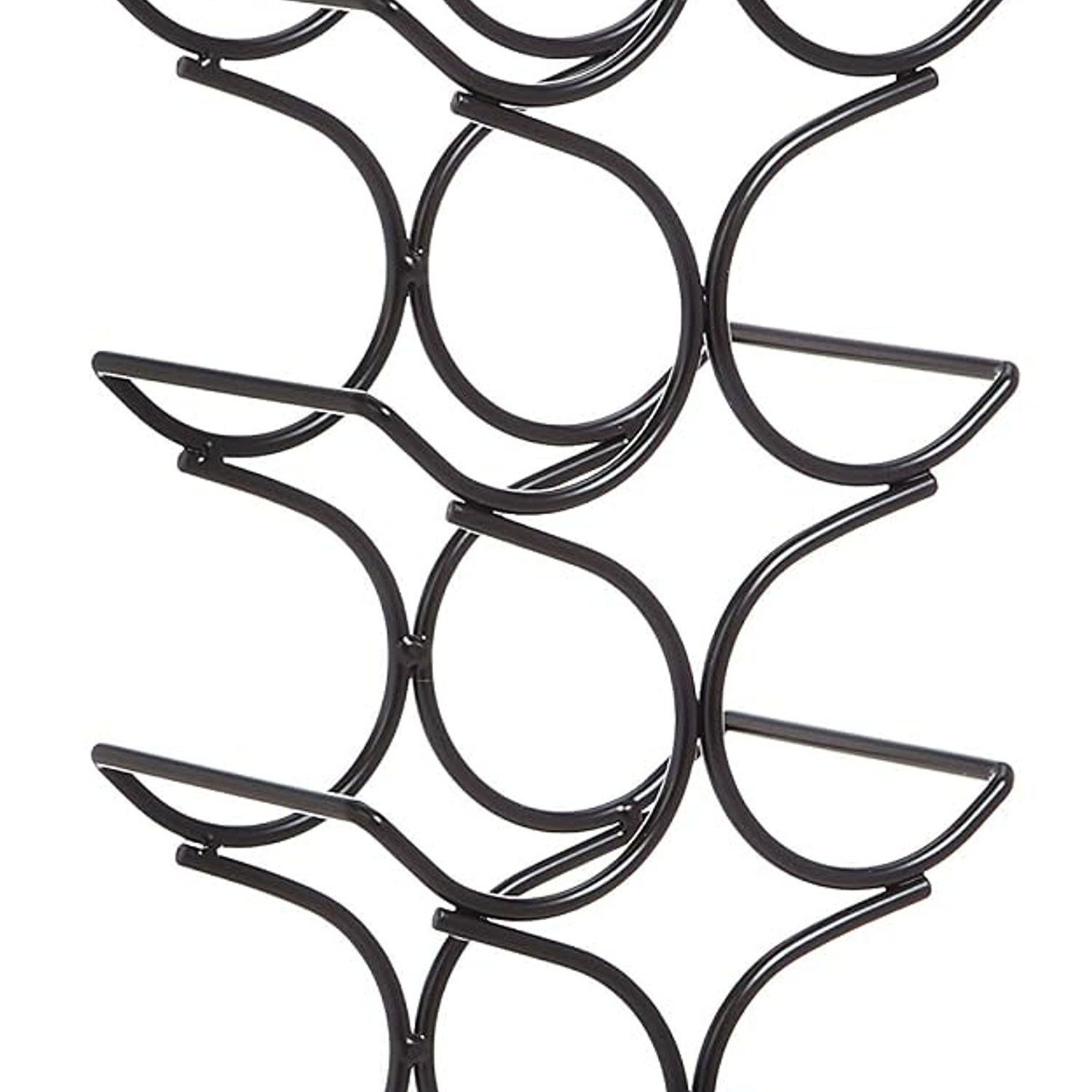
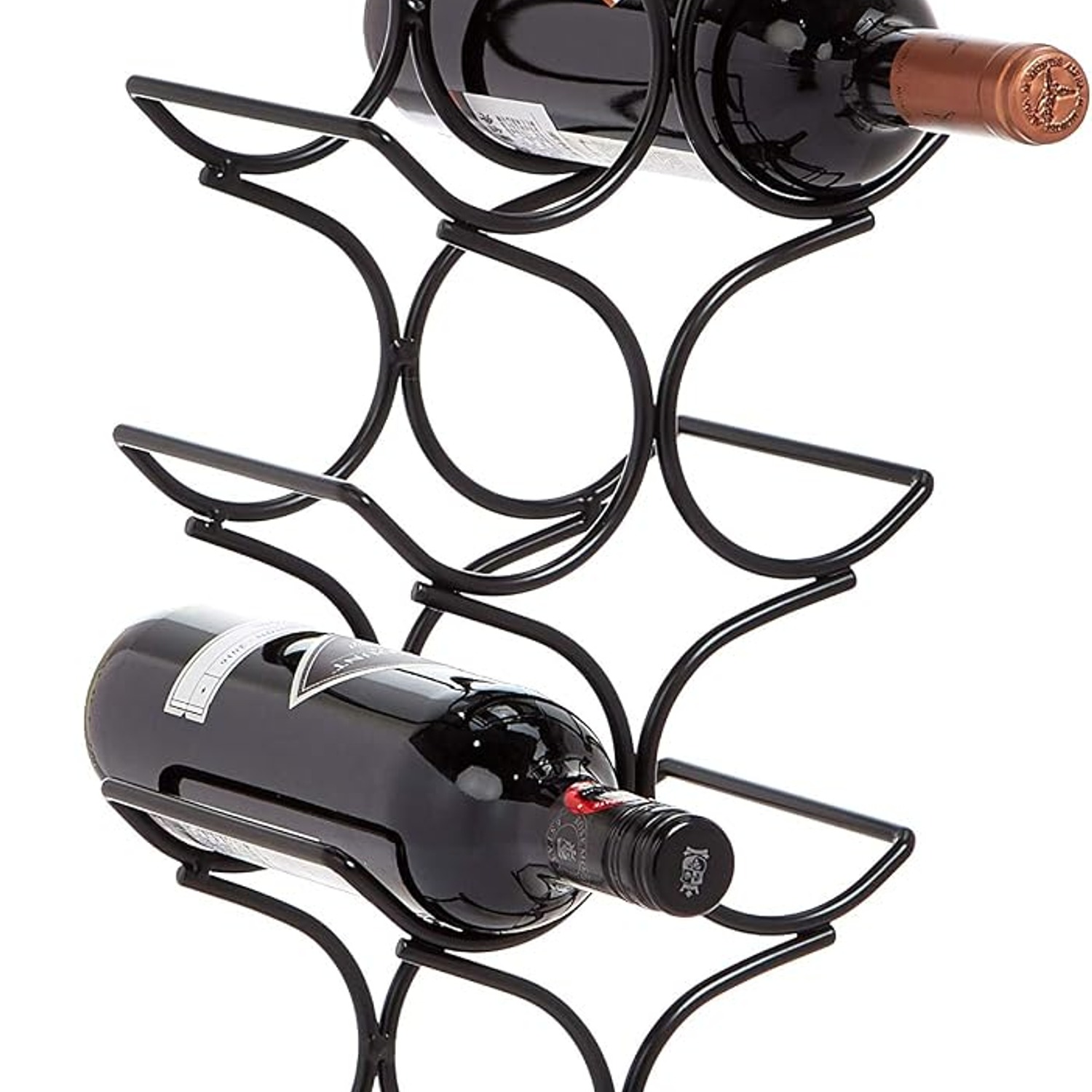
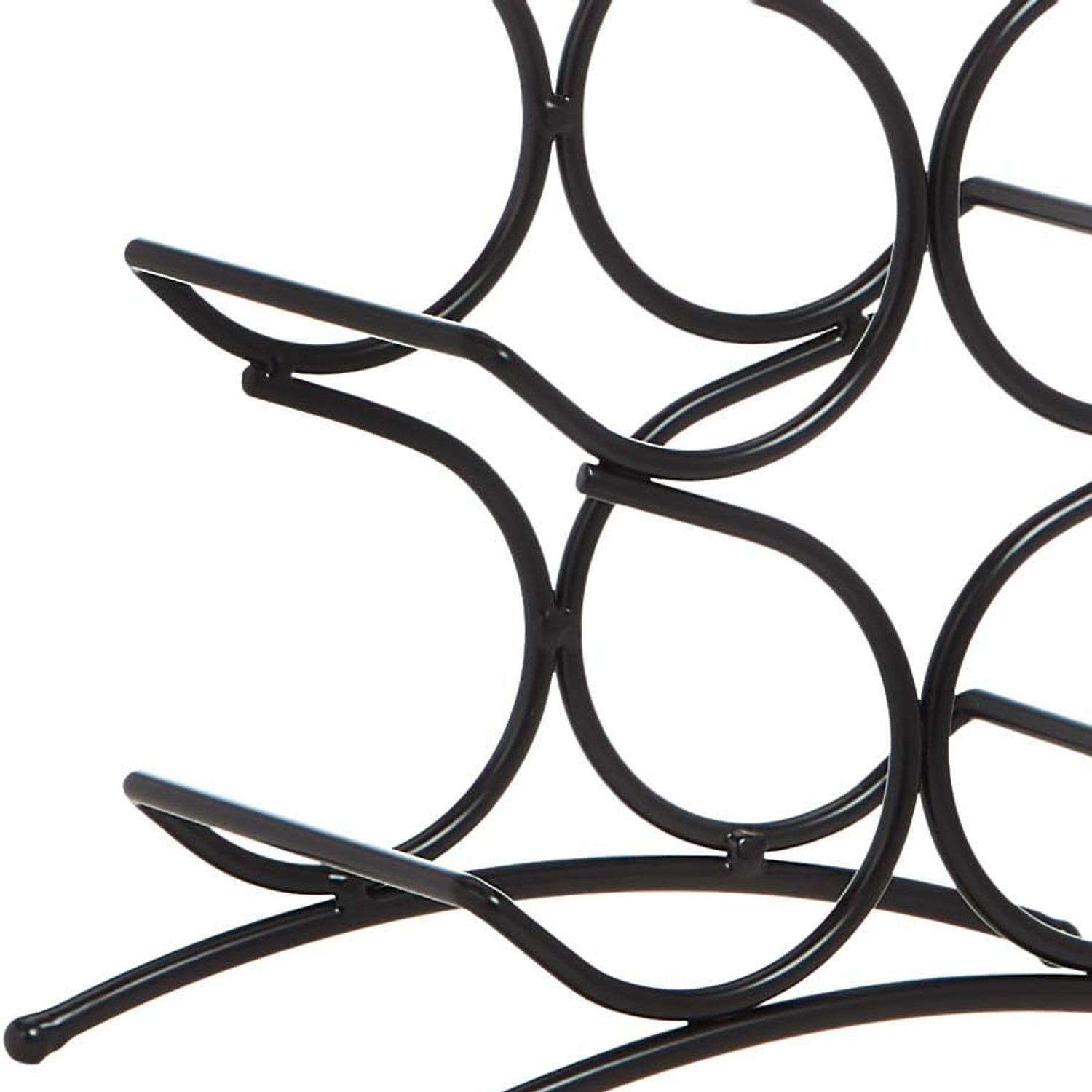
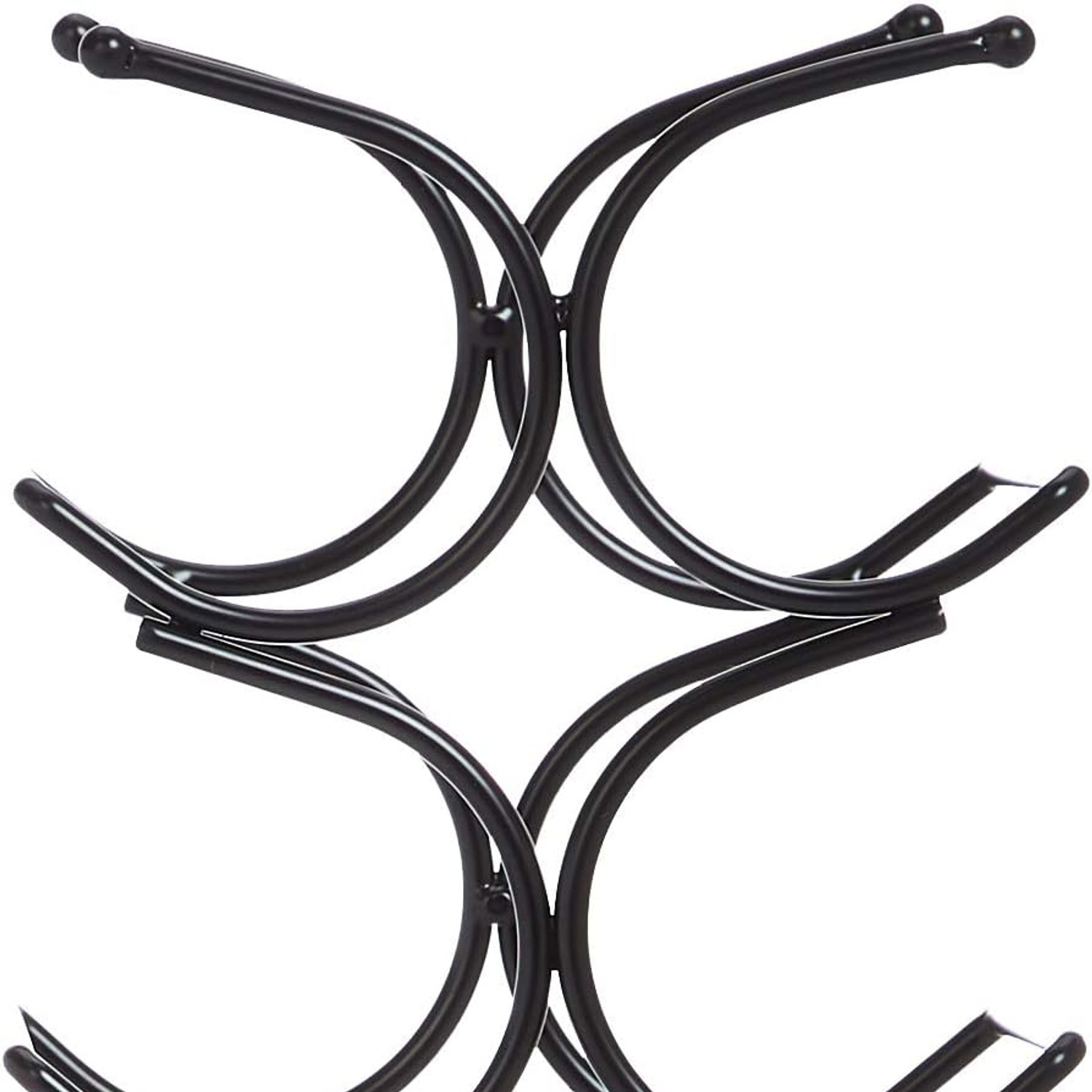
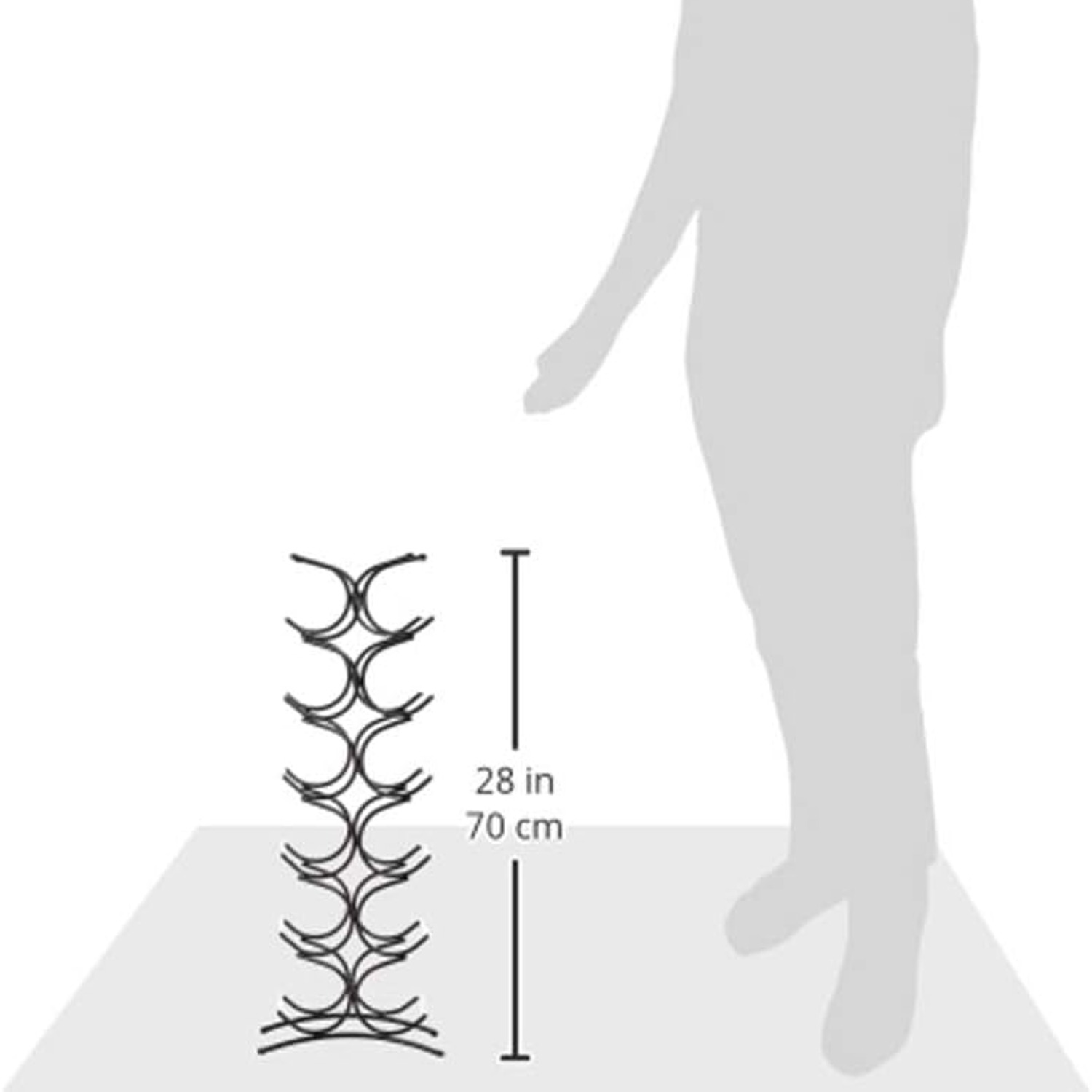
This is a metal rack with a black finish that holds 12 bottles. It stands 67.8 cm high, 24.9 cm wide and 16 cm deep, and weighs 2.09 kg before you load it. There is no assembly, so it comes out of the box ready to stand up.
The important number is that 16 cm depth. Most furniture is designed around 30 to 45 cm of depth, which is why a lot of wine storage eats into walkways. At 16 cm, this rack is about as deep as a hardback book. You can stand it against a wall in a hallway, slide it between the fridge and the worktop, or tuck it into the awkward strip of floor next to a cabinet that has never had a use.
The style is described as traditional, which here means a plain upright frame rather than anything decorative. That is usually a good thing in a piece you will keep for years. Plain things age better than fashionable ones.
How wine racks like this work
The design is simple. Bottles rest on their sides in cradles, stacked up the height of the frame. Gravity does the holding, so there are no clips, no catches and nothing to adjust. You slide a bottle in neck first or base first depending on whether you want to read the label or protect it from light, and it stays there until you pull it out.
Because the bottles lie flat, the wine inside stays in contact with the cork. That keeps the cork swollen and sealed. If everything in your collection is screw cap, this matters less, but the horizontal layout still gives you the space saving and the visibility.
Load from the bottom up. A tall narrow rack is always most stable with the weight low, and 12 full bottles is a meaningful amount of mass. Keep the load reasonably even across the width rather than piling everything to one side.
Who it suits
Apartment dwellers get the most out of a rack this narrow. If you are working with a galley kitchen or a single wall of cabinetry, 16 cm of depth is often the difference between having wine storage and not having it.
It also suits people who buy a case at a time and want somewhere for it to live. Twelve bottles is exactly a standard case, which is a neat bit of maths when you are unpacking a delivery.
Renters do well with it too. Nothing screws to the wall, nothing needs drilling, and at 2.09 kg empty you can pick it up and move it to the next place without a second thought.
If you are storing fifty bottles, this is not your answer on its own, though two or three units side by side along a wall work surprisingly well and cost less than a cabinet. And if you want temperature control for serious cellaring, you want a wine fridge, not a rack. A rack organises, it does not refrigerate.
Working out where it goes
Height is where people get caught out. Standard kitchen worktops sit around 90 cm, and overhead cupboards usually start somewhere between 50 and 60 cm above that. Measure the gap before you assume a 67.8 cm rack will slot under your cabinets, because very often it will not. The fix is easy, put it on the floor or on a sideboard instead.
Think about light as well. Sunlight is hard on wine, especially whites and anything in clear glass. A spot that gets a few hours of direct afternoon sun will cook your bottles over a summer. North facing windows, glass doors and skylights are the usual culprits.
Heat sources matter for the same reason. The gap beside the oven looks like free real estate and is one of the worst places in the house for wine. Same goes for on top of the fridge, where the motor pushes warm air out the back all day.
Vibration is the quiet one. Constant shaking from a washing machine or a dishwasher disturbs the sediment in older bottles. For a rack holding wine you will drink in the next few months it hardly matters, but it is worth knowing.
Choosing between the options
When you compare racks, there are four things worth weighing up.
Capacity against footprint is the first. Everyone wants more slots, but a 24 bottle rack is usually either twice as wide or twice as deep, and depth is what you cannot spare. Twelve bottles in 16 cm of depth is a good trade for most homes.
Material is the second. Metal frames are slim, strong for their weight and easy to wipe down. Timber racks look warmer but need more bulk to hold the same number of bottles. If space is your constraint, metal wins.
Finish is the third. Black is forgiving. It does not show dust the way chrome does, it does not yellow the way white sometimes can, and it sits comfortably next to almost any cabinetry colour. If you are the sort of person who repaints or rearranges, a neutral finish saves you buying again.
Assembly is the fourth, and it is worth more than people expect. A rack that arrives complete is a five minute job. A flat pack one is an hour and a swear word or two. This one requires no assembly.
Looking after it
The manufacturer's care instruction is to wipe with a dry cloth, and that really is most of it. Run a microfibre cloth over the frame when you dust the room and the finish stays clean.
For anything sticky, a cloth dampened with water will lift it. Dry the metal straight afterwards rather than leaving it wet. Skip the scouring pads and the cream cleansers, since abrasives scratch finished metal and the damage does not come back out.
Check the footing occasionally. Floors settle, rugs bunch up and worktops are not always as level as they look. A rack sitting on an uneven surface with 12 bottles aboard is not what you want. Thirty seconds with your hand on the top rail will tell you everything.
If you move house, unload the rack first. Carrying it loaded puts stress on the frame and gives bottles a chance to slip.
The short version
This is a 12 bottle metal rack in black, 67.8 cm tall and only 16 cm deep, weighing 2.09 kg and requiring no assembly. It takes a full case of wine, holds the bottles on their sides so the corks stay sealed, and does it in a footprint small enough for a worktop, a sideboard or a narrow strip of floor.
Measure your space first, particularly the height. Keep it out of direct sun and away from the oven. Dust it now and then with a dry cloth. Do those things and it will quietly hold your wine for years without asking for anything else.